2022-2026 Member Marinobi Medrano
Reading Strength to Love by Martin Luther King Jr. helped me reflect more deeply on my role as an AmeriCorps member and the values that guide my service. King presents love not as a passive feeling, but as a deliberate and disciplined choice, one that requires patience, courage, and commitment, especially when working in communities facing inequity and hardship. As I reflected on his message, I realized how closely his vision of love aligns with the purpose of service and the everyday realities of my work with AmeriCorps Project CHANGE.

One of the themes that resonated with me most was King’s emphasis on loving others through action rather than words alone. King explains that “Love is not a weak, passive thing. Love is a powerful force for social transformation” (King, 1963). In my service role, I support elementary and middle school students and teachers by helping to create supportive and inclusive learning environments. This work often requires flexibility, empathy, and consistent presence, especially when students are experiencing academic, emotional, or social challenges. King’s message reminded me that service grounded in love means showing up with patience and care, even when progress is slow or the needs are complex.
A particularly meaningful part of my service is using my first language, Spanish, to support students and families who do not speak English. In the classroom, I assist Spanish- speaking students so they can better understand instructions, feel included, and fully participate in their learning. Outside the classroom, I support families by helping them navigate school communication and access resources. Through my role with AmeriCorps Project CHANGE, I also support the Saturday School office as a Spanish liaison, working directly with non-English- speaking families to ensure they feel informed, welcomed, and supported. King’s words, “Love is the only force capable of transforming an enemy into a friend” (King, 1963), helped me recognize language access as a powerful act of love that builds trust and promotes equity.
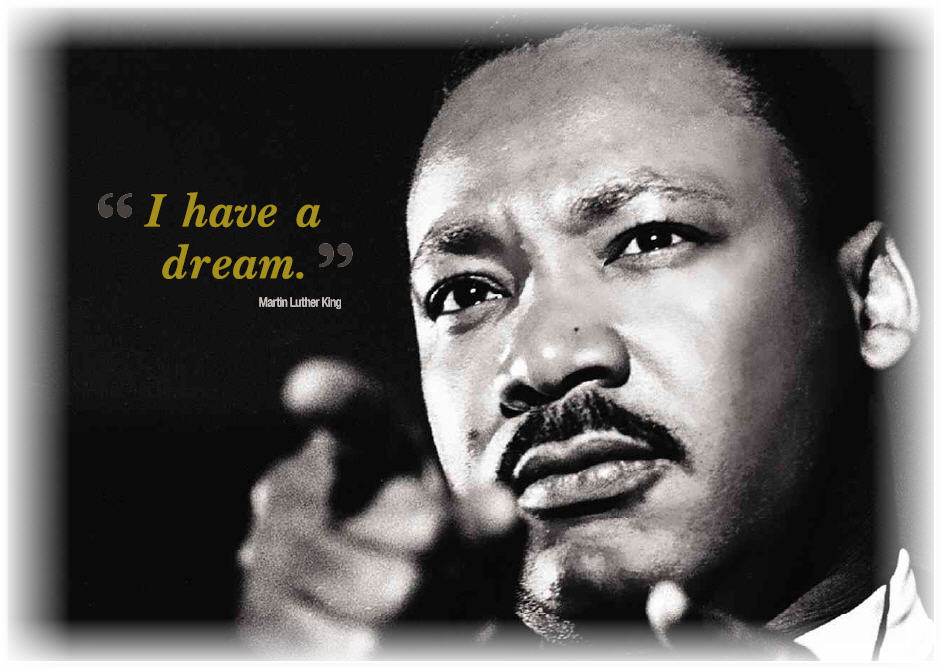
One experience that reflects King’s teachings occurred during my weekly support of Saturday School. I received a phone call from a mother who was frustrated because she believed her child had been removed from the program without explanation. The misunderstanding occurred due to unclear communication that was sent only in English. The mother felt excluded and unheard. Remembering King’s call for patience and understanding, I listened carefully, acknowledged her frustration, and calmly explained the situation in Spanish. I contacted the school to clarify the issue and ensured the family received accurate information in their language.
By responding with patience rather than defensiveness, the situation was resolved, and the mother expressed gratitude and relief. This experience reinforced King’s belief that love must be practiced intentionally, especially in moments of tension.
King’s message also resonated with me on a personal level beyond my AmeriCorps service. As a mother of two children, a wife, and a college student, I balance multiple responsibilities that can be emotionally demanding. There are moments of stress and exhaustion, yet King’s teachings remind me to choose patience over frustration and compassion over reaction. His belief that love requires discipline and self-control helps guide how I respond not only in my service work, but also within my family and academic life.
My children, especially my daughter, have been deeply influenced by my work as an AmeriCorps member. By seeing me serve students and families, my daughter has shared that she dreams of becoming an AmeriCorps member herself when she grows up. During MyScore card implementation, if she notices a student struggling to understand English, she naturally steps in to translate into Spanish. She once told me about a new student at her school who had recently arrived from another country and did not speak English at all. Her teacher encouraged her to support her classmate because she speaks Spanish fluently, and she expressed how much she enjoyed helping her peer feel understood and included. She explained that she likes supporting others because that is what she sees her mother do, helping students overcome language barriers so they can succeed academically and emotionally through social-emotional learning.
As a mother, I feel an overwhelming sense of pride watching my children, especially my daughter, demonstrate compassion and responsibility toward others. Seeing her confidently support her classmates by translating into Spanish reminds me that the values of empathy, inclusion, and service are taking root in her daily life. Through my work with AmeriCorps, I am not only serving students and families but also contributing to the community in which my children are growing up. I am helping to build a more inclusive and supportive environment, one where language differences are respected and where children feel seen and valued.

Martin Luther King Jr. reminds us that “Life’s most persistent and urgent question is: ‘What are you doing for others?’” (King, 1963). By living this question through my service, I am helping create a community that offers my children, and others like them, a stronger foundation and a more
hopeful future.
Martin Luther King Jr. writes, “We are called to play the Good Samaritan on life’s roadside” (King, 1963). Watching my daughter live out this message reminds me that love is taught through example. My daughter also loves participating in Martin Luther King Jr. Day of Service and joining me when I help implement MyScore cards in different schools. Through these experiences, she is learning that service is an expression of love in action. On Fridays when there is no school, I sometimes take my son and daughter to our AmeriCorps meetings. They both enjoy coming to work with me and feel a sense of pride, belonging, and purpose as they observe a community of adults committed to service. These moments reinforce King’s belief that love, practiced consistently, has the power to shape future generations.
Another powerful takeaway from Strength to Love is King’s insistence that personal values must be connected to social responsibility. This idea became even more meaningful as I took on additional responsibilities and became part of the team leadership within the AmeriCorps program. As a team leader, I strive to model empathy, accountability, and commitment while supporting fellow AmeriCorps members. King’s message reaffirmed that leadership rooted in love is not about authority, but about service, humility, and shared responsibility for positive change.

Despite addressing difficult realities such as injustice and human suffering, Strength to Love maintains a tone of hope that deeply resonates with me as an AmeriCorps member. This work can be emotionally demanding, but King’s belief in the transformative power of love reminds me why this service matters. His teachings encourage me to remain resilient, reflective,
and grounded in purpose.
In conclusion, Strength to Love strengthened my understanding of what it means to serve through the AmeriCorps Project CHANGE. Martin Luther King Jr.’s vision of love as a source of strength aligns closely with my work supporting students, teachers, and families through language access, advocacy, and leadership. This reflection has encouraged me to continue
approaching my service with compassion, patience, and a deep commitment to equity, recognizing that love, expressed through consistent and intentional actions at the heart of meaningful community service.